Be yourself; Everyone else is already taken.
— Oscar Wilde.
This is the first post on my new blog. I’m just getting this new blog going, so stay tuned for more. Subscribe below to get notified when I post new updates.
Be yourself; Everyone else is already taken.
— Oscar Wilde.
This is the first post on my new blog. I’m just getting this new blog going, so stay tuned for more. Subscribe below to get notified when I post new updates.
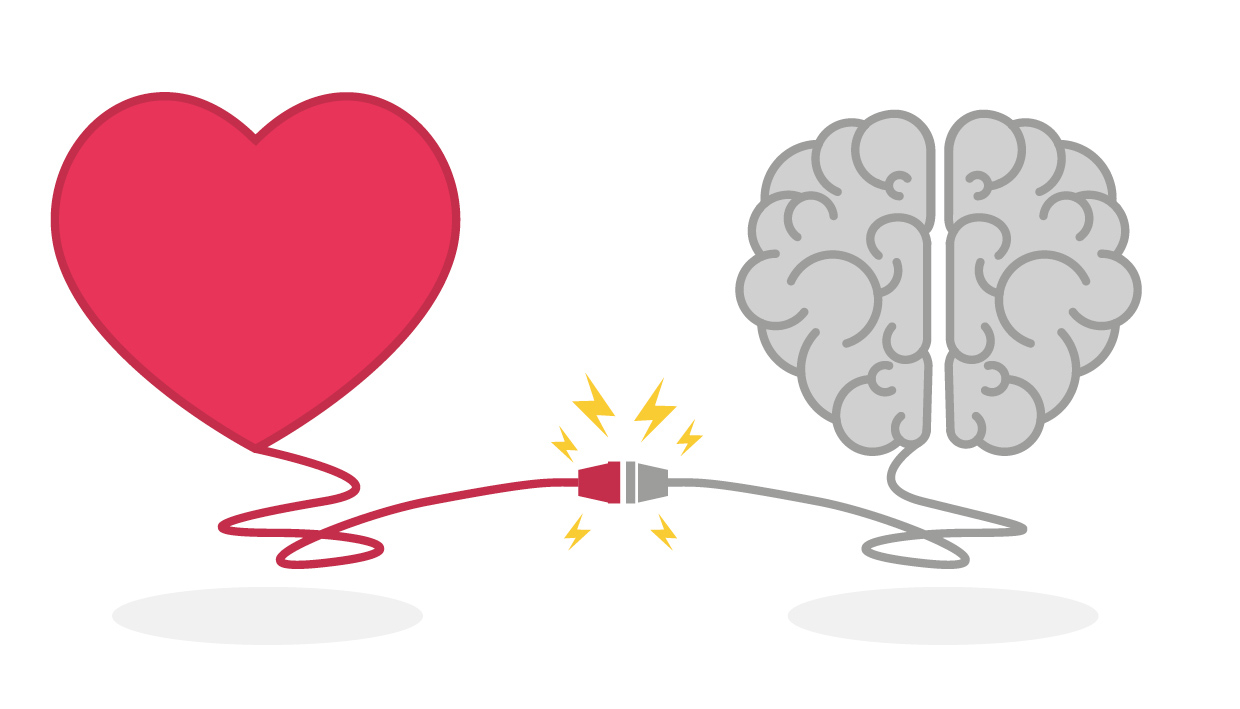
You use your memory hundreds of times every day. Yet it is precisely this part of your body that sometimes lets you down. Certain things are impossible to remember and you cannot get other things out of your head. How is that possible? Read this Noocube review to find it out.
Much depends on your daily diet. Your brain needs glucose to function properly. That is why it is important to eat fiber-rich foods. These food products are full of carbohydrates and they are extremely healthy. So it’s best to start your day with brown or whole-grain bread (and all the variations in between) or muesli. Later in the day you can supplement your carbohydrates with even more bread, potatoes and / or pasta. Lecithin is also important for the brain. This substance stimulates the storage of information. Lecithin is found mainly in eggs, soybeans, liver, wheat germ and peanuts.
To get a substance such as glucose from your food into your blood, you have to drink enough. The feeling of thirst normally decreases over the years, but it is and remains important to drink enough. Of course, water is the healthiest, but also tea, coffee, juice, soup, … count. It is the case that doctors propose to drink 1 cl per calorie intake. Do you know that you do not drink enough? Then definitely put water with you when you work. Maybe also take small bottles because you usually drink more.
It is important that you always form a picture of things you want to remember. With some data that is not that difficult at all, with others you have to make an effort again. However, this is important to be able to recall the situation later. It is a lot easier to remember things if you also make a kind of ‘print’ in your head. If you can imagine something about it, you can get something up again faster. Emotions can also be important here. For example, if you link sadness or extreme joy to something, you will be able to remember the facts much quicker.
Things that you will systematically repeat will be easier to recall. Every time the same info gets your attention, that data will anchor itself better in your memory. Of course you won’t have to dig that long to get the info back to the surface. Repetition is therefore not only important during your student days, but also for the rest of your life.
By linking things together you can remember everything better. Try to make connections and braid the different aspects into one story. This way it will be easier to retrieve everything afterwards. Think especially of your senses. By linking a taste or smell to something, you will often make an association faster with the same smell or taste.
This is an example post, originally published as part of Blogging University. Enroll in one of our ten programs, and start your blog right.
You’re going to publish a post today. Don’t worry about how your blog looks. Don’t worry if you haven’t given it a name yet, or you’re feeling overwhelmed. Just click the “New Post” button, and tell us why you’re here.
Why do this?
The post can be short or long, a personal intro to your life or a bloggy mission statement, a manifesto for the future or a simple outline of your the types of things you hope to publish.
To help you get started, here are a few questions:
You’re not locked into any of this; one of the wonderful things about blogs is how they constantly evolve as we learn, grow, and interact with one another — but it’s good to know where and why you started, and articulating your goals may just give you a few other post ideas.
Can’t think how to get started? Just write the first thing that pops into your head. Anne Lamott, author of a book on writing we love, says that you need to give yourself permission to write a “crappy first draft”. Anne makes a great point — just start writing, and worry about editing it later.
When you’re ready to publish, give your post three to five tags that describe your blog’s focus — writing, photography, fiction, parenting, food, cars, movies, sports, whatever. These tags will help others who care about your topics find you in the Reader. Make sure one of the tags is “zerotohero,” so other new bloggers can find you, too.

 My Special Tips